Wave-Based Neuromorphic Hardware: Obstacle Avoidance Without a GPU
Scientists controlled a robot using physical wave interactions as computing hardware. A plain-language explainer on wave reservoir computing.
Insights, guides, and latest trends from the world of AI tools
Scientists controlled a robot using physical wave interactions as computing hardware. A plain-language explainer on wave reservoir computing.
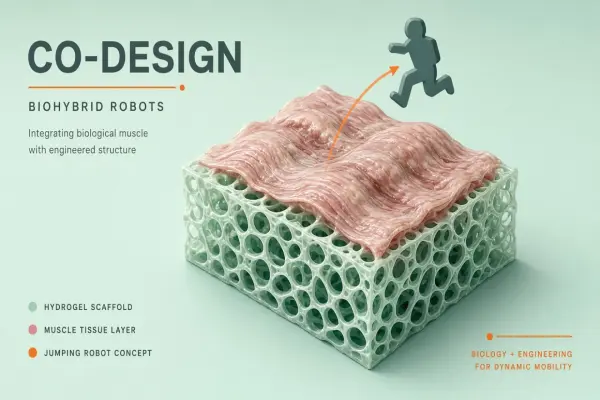
Nature Communications research co-optimized muscle tissue and hydrogel scaffolds for large deformations. How computational design accelerates living robots.
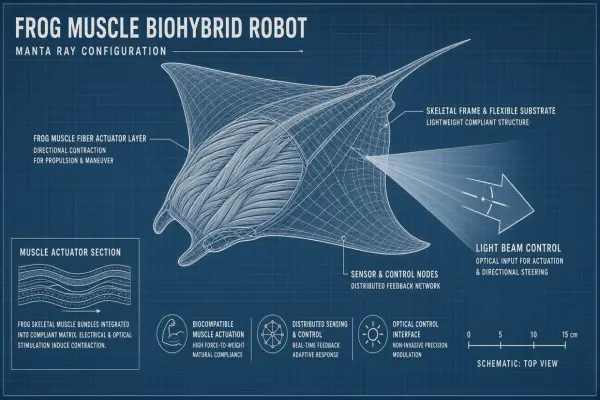
Researchers used bullfrog skeletal muscle to power a light-controlled swimming robot. The science, speed records, and ethics of living tissue actuators.
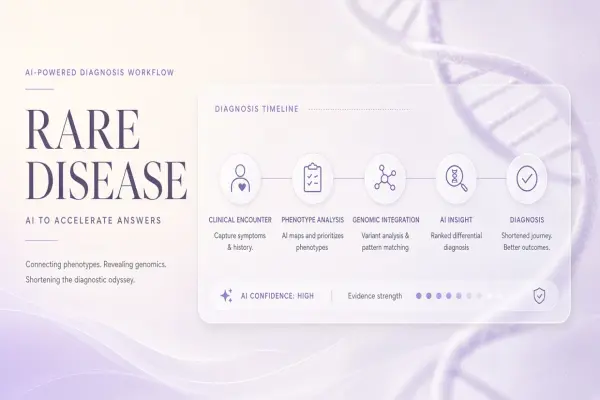
AI can narrow differential diagnoses from phenotypes and genomics, but misdiagnosis risk is high. A clinician-aware workflow with verification steps.
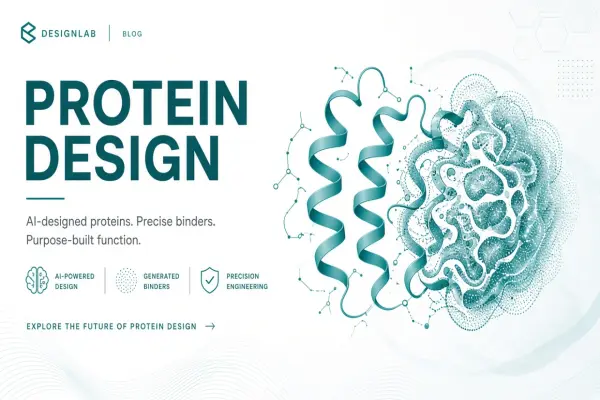
Structure prediction was step one. Generative protein design now targets function, binding, and manufacturability. What researchers and tool buyers should know.
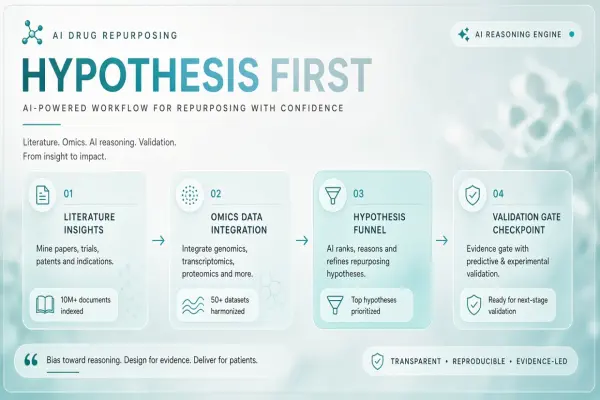
AI can surface repurposing hypotheses from literature and omics data, but clinical proof stays human. A workflow for researchers and biotech teams.
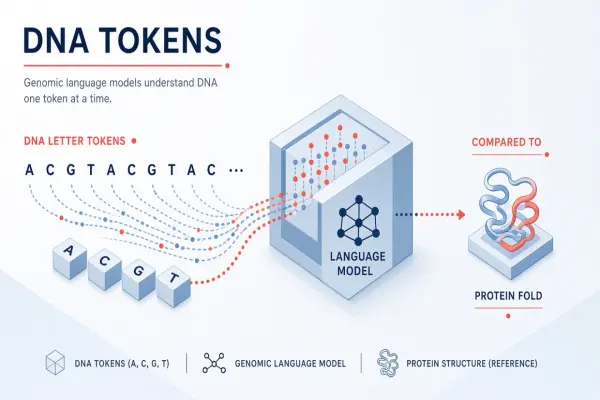
Models like Evo and GPN-Star treat DNA as language. Learn how genomic LMs differ from chat LLMs and where they appear in research tools.
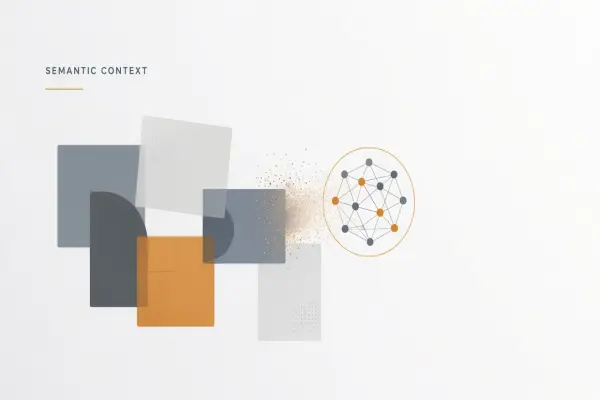
As LLMs internalize capabilities, engineered data-agent layers get absorbed. Researchers argue persistent semantic context is what survives. What tool buyers should watch.
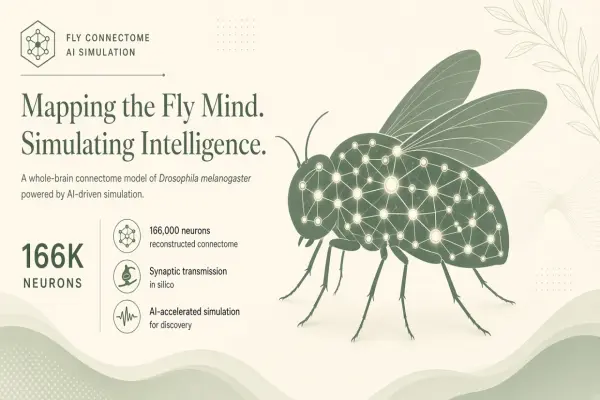
The complete male fruit fly connectome is being simulated in games and AI experiments. What 166,000 neurons reveal about scaling agent architectures.
Didn't find tool you were looking for?