AI Voice Cloning of Deceased Relatives: Grief Tech Ethics and Consent
Grief apps recreate voices of the dead from old recordings. Examine consent, psychological harm, and emerging post-mortem publicity rights.
Insights, guides, and latest trends from the world of AI tools
Grief apps recreate voices of the dead from old recordings. Examine consent, psychological harm, and emerging post-mortem publicity rights.
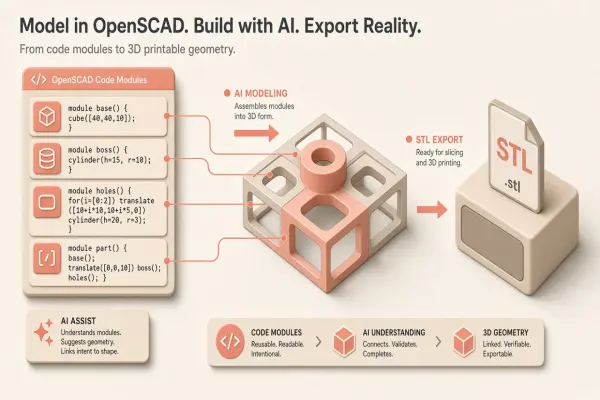
A11yShape uses code-to-model pipelines and AI feedback loops so BLV users create 3D objects without relying on sighted assistants.

VIIRS nighttime lights with ML track power outages, conflict zones, and informal growth. Learn how economists validate luminosity against GDP.
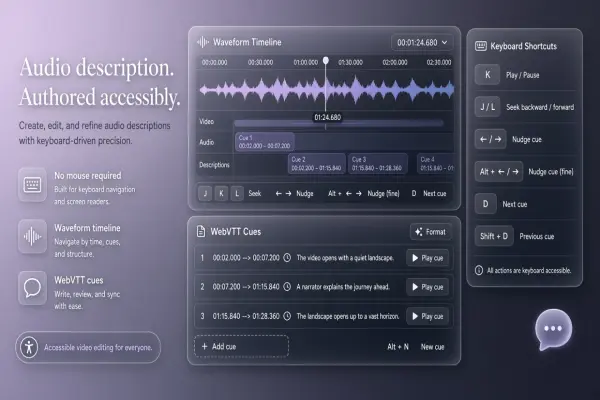
ADCanvas combines conversational AI with screen-reader-friendly controls so blind video creators draft and verify audio description scripts independently.
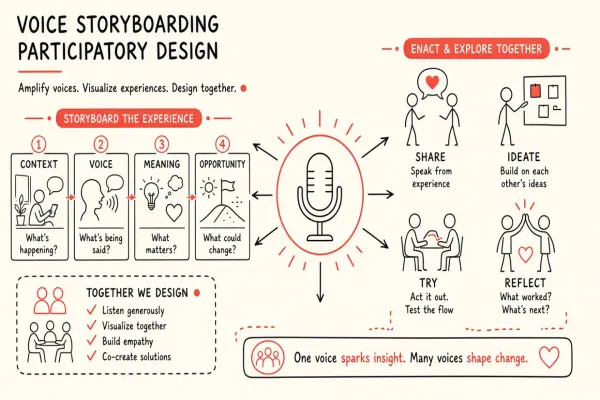
Speak2Scene lets participants build storyboards by voice when hand sketching is inaccessible, using GenAI scenes for co-design sessions.
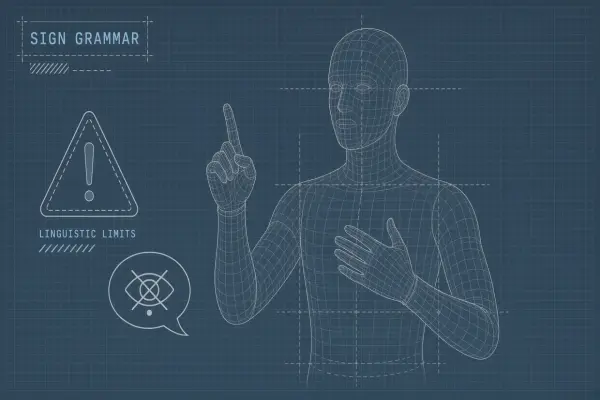
3D avatars that translate speech to sign proliferate, but Deaf advocates warn of grammatical errors and cultural harm. A balanced look at use cases and standards.
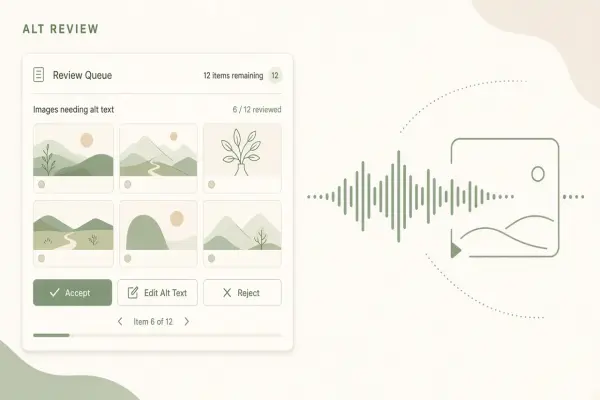
Teams blend generative alt text with human QA to meet WCAG without bottlenecks. Learn prompting patterns, audit sampling, and when AI descriptions fail.
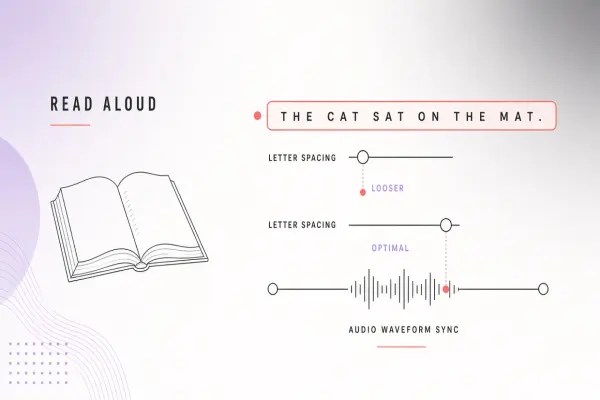
Tools reshape typography, simplify syntax, and pair TTS for dyslexic readers. Understand evidence behind fonts like OpenDyslexic and AI simplification risks.
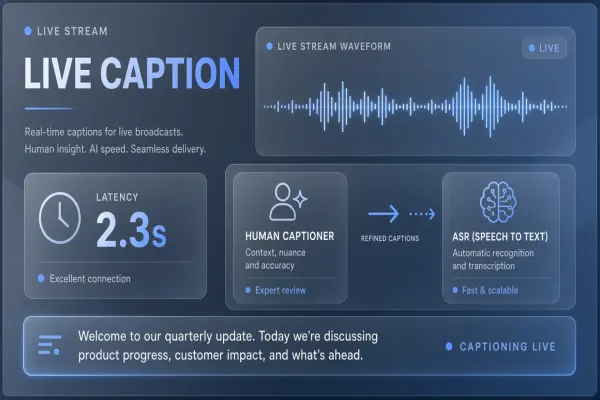
Streaming platforms deploy streaming ASR with human respeakers for compliance. Compare word error rates, latency budgets, and hybrid failover architectures.
Didn't find tool you were looking for?