California dominated AI headlines in September 2026 with Adam's Law and companion chatbot safeguards, but enterprises operating nationally must track a wider map. Texas TRAIGA took effect January 1, 2026 with broad jurisdictional hooks. Colorado repealed its 2024 AI Act and enacted SB 26-189 with a narrower automated decision-making focus effective January 1, 2027. New York combined frontier model reporting, synthetic performer disclosure, and aggressive attorney general enforcement in algorithmic pricing. Multi-state compliance is no longer a California-only exercise.
This analysis summarizes state AI laws in 2026 beyond California, with a state law matrix, sector themes, and a multi-state compliance strategy for teams evaluating AI chatbot and AI regulation tooling.
Landscape of State AI Laws in 2026
No single federal AI statute preempts state rules as of September 2026, so operators face a patchwork of prohibitions, disclosure duties, and AG enforcement powers. Texas preempts local ordinances on AI use. Colorado focuses on consequential automated decisions. New York emphasizes transparency in advertising and pricing. Illinois, Maryland, and New York City add employment-specific layers.
| State | Lead statute | Effective date | Scope summary |
|---|---|---|---|
| Texas | TRAIGA (HB 149) | January 1, 2026 | Restricted-purpose prohibitions; wide jurisdictional reach |
| Colorado | SB 26-189 (ADMT) | January 1, 2027 | Notice, adverse outcome disclosure, correction, human review |
| New York | RAISE Act, Synthetic Performer Disclosure | 2025-2026 staggered | Frontier reporting, ad disclosure, AG pricing investigations |
| California | Companion safety package | 2026-2029 staggered | Companion chatbots and child safety (reference baseline) |
Colorado Automated Decision-Making Reset
Colorado SB 26-189 replaced SB 24-205 after court stays and industry pushback, narrowing scope to automated decision-making technology used in consequential decisions. Gone are broad high-risk system definitions, mandatory impact assessments, and algorithmic discrimination duties from the 2024 text. In their place: interaction notice, 30-day adverse outcome disclosures, data correction rights, and meaningful human review.
Developers must supply technical documentation to deployers covering intended uses, training data categories, known limitations, and human review instructions. Both developers and deployers retain records for at least three years. Attorney General rules clarifying post-adverse disclosures are due January 1, 2027. Enterprises with Colorado customers in lending, insurance, housing, or hiring should map ADMT flows now.
Colorado's reset followed xAI litigation and a federal court stay on SB 24-205 enforcement in early 2026, with DOJ intervention supporting industry challengers. SB 26-189 passed in weeks, reflecting bipartisan desire for AI oversight without the compliance burden critics attributed to the 2024 text. Colorado AI act news in 2026 therefore means a narrower automated decision-making statute, not repeal of all AI duties. Deployers must still notify consumers when they interact with covered ADMT, explain adverse outcomes within 30 days, honor correction requests, and provide meaningful human review. Colorado hits reset on risk management programs but doubles down on operational transparency at the moment of decision.
Texas TRAIGA Government and Restricted-Use Rules
Texas TRAIGA applies to anyone doing business in Texas, serving Texas residents, or deploying AI in the state, including out-of-state SaaS vendors with Texas users. The enacted law dropped earlier high-risk impact assessment requirements but retained prohibitions on restricted purposes: intentional manipulation, unlawful discrimination, certain deepfakes, constitutional-rights infringements, and related harms.
The Texas Attorney General operates an online complaint portal and may demand documentation including training data descriptions, performance metrics, and known limitations. TRAIGA also established the Texas AI Council and a regulatory sandbox for innovative AI testing. Government agencies face separate procurement transparency expectations under related 2026 guidance.
Texas AI regulation differs from Colorado's disclosure-first model. TRAIGA emphasizes prohibitions on restricted purposes and constitutional-rights infringements rather than mandatory consumer notices or impact assessments stripped from earlier HB 1709 drafts. Texas regulation reaches any vendor whose product or service Texas residents use, making it a default screen for national SaaS compliance programs. The Attorney General must post required online mechanisms by September 1, 2026. Texas AI Council sandbox applicants can test innovative systems under supervised conditions, offering a path for startups to validate controls before broad launch. Government-use rules under separate Texas procurement guidance expect agencies to document AI vendor selection, bias testing where applicable, and public transparency for high-impact automated systems.
New York Employment and Frontier AI Bills
New York combines frontier model transparency with consumer-facing disclosure enforcement. The RAISE Act, amended in late 2025, aligns with California-style frontier reporting themes. The Synthetic Performer Disclosure Act requires clear labels when advertisements use AI-generated performers, with civil penalties for violations effective June 2026.
The New York Attorney General opened an algorithmic pricing investigation into Instacart in January 2026, signaling that dynamic pricing powered by AI faces scrutiny even without a comprehensive state AI Act. NYC Local Law 144 continues to require bias audits for automated employment decision tools, adding a local layer on top of state bills.
Multi-State AI Compliance Strategy
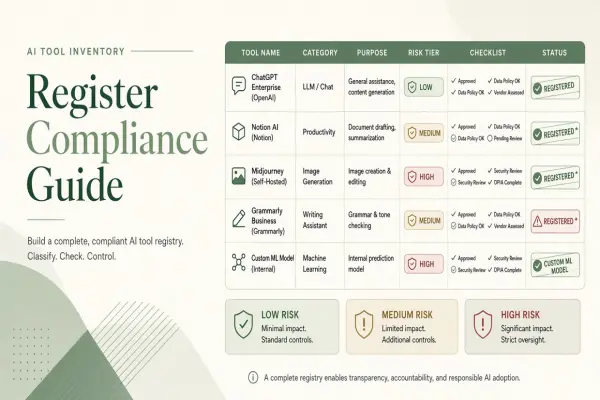
Enterprises should build a unified control library mapped to the strictest state requirement in each domain rather than maintaining fifty separate policies. Start with an AI system inventory tagged by state exposure, decision type, and user population.
- Classify systems as companion, ADMT consequential, frontier model, or general purpose.
- Apply Texas restricted-purpose checks to all US user bases as a baseline harm screen.
- Implement Colorado-style notices and human review for lending, hiring, and insurance workflows.
- Track New York disclosure templates for marketing and synthetic media.
- Monitor NCSL legislative trackers for copycat bills in Illinois, Connecticut, and Vermont.
- Document vendor subprocessors and model changelogs for AG documentation requests.
Legal and product teams should schedule quarterly reviews because state sessions in 2027 may reintroduce impact assessment duties Colorado removed. Federal preemption debates continue but no safe harbor exists yet.
NCSL trackers document more than 600 AI-related bills introduced across states in recent sessions. Illinois requires employer notification for AI-analyzed video interviews. Maryland and New Jersey restrict AI in hiring. Connecticut expects agency impact assessments. Multi-state compliance strategy should centralize a control library: one privacy notice template satisfying Colorado interaction notice, one restricted-purpose review satisfying Texas TRAIGA, and one marketing disclosure pack satisfying New York synthetic performer rules. New York AI law enforcement through the Attorney General signals that pricing algorithms and companion marketing claims face scrutiny even without a single comprehensive statute. Colorado AI act news and Texas AI regulation headlines will continue diverging; enterprises cannot assume one state's approach predicts another.
Enterprise legal ops teams increasingly maintain state AI law matrices in GRC platforms with effective dates, penalty exposure, and control mappings. When Colorado AG rules land in January 2027, deployers without interaction notices will face quick enforcement targets because the legislature designed SB 26-189 for workability. Texas TRAIGA complaints through the AG portal may precede formal guidance, so restricted-purpose reviews should run before marketing campaigns launch in Texas metros. HR tech vendors face stacked New York employment AI bills and NYC Local Law 144 bias audit requirements, making hiring AI the next multi-state flashpoint after companion chatbots.
Frequently Asked Questions
Did Colorado repeal all AI regulation?
Colorado repealed SB 24-205 and replaced it with SB 26-189. AI regulation continues but with narrower ADMT duties and without the 2024 impact assessment framework.
Does Texas TRAIGA require consumer AI notices?
The enacted TRAIGA text removed mandatory consumer notice and impact assessment provisions from earlier drafts. Prohibitions on restricted purposes and AG enforcement remain.
Which state law applies to a remote SaaS company?
Often multiple states apply simultaneously based on where users reside and where decisions occur. Texas explicitly covers products used by Texas residents regardless of vendor headquarters.
How does New York differ from California in 2026?
California emphasized companion child safety in September 2026. New York focused on advertising disclosure, frontier reporting, and AG enforcement in pricing and marketing contexts.
Should companies prioritize one state first?
Prioritize by user concentration and decision sensitivity. Financial and hiring AI should address Colorado and NYC rules early. Consumer apps with Texas users should implement TRAIGA restricted-purpose screens immediately.
What is the Colorado AI Act effective date after SB 26-189?
SB 26-189 takes effect January 1, 2027, with Attorney General rules on adverse outcome disclosures due the same date. Developers must provide technical documentation to deployers of covered automated decision-making technology before that milestone.
Does New York have a comprehensive AI Act like Colorado originally did?
New York uses a portfolio of targeted bills including RAISE Act frontier reporting, synthetic performer disclosure, and aggressive AG enforcement in pricing and marketing rather than one omnibus high-risk AI statute.
NCSL Tracker and 2027 Outlook
The National Conference of State Legislatures artificial intelligence legislation tracker remains the best free source for upcoming state AI bills. JSON metadata for this article referenced NCSL 2024 legislation summaries; 2026 sessions added hundreds of new filings on deepfakes, government procurement, and companion safety.
Expect Colorado to finalize AG rules in early 2027, Texas to publish enforcement guidance after its September 2026 portal deadline, and New York to expand algorithmic pricing cases beyond Instacart. Illinois video interview consent rules effective February 2026 preview employment AI enforcement outside coastal states. Enterprises selling nationwide should budget legal monitoring as a recurring operating expense, not a one-time 2026 project. State ai laws 2026 headlines will multiply in 2027 election-year sessions.
Colorado AI act news in enterprise circles now means SB 26-189 ADMT duties, not the stayed SB 24-205 impact assessment regime. Texas AI regulation conversations should emphasize restricted-purpose screening for marketing copy and model objectives, not only post-deployment monitoring. New York AI law enforcement through pricing and synthetic media cases means retail and adtech stacks need legal review even when core products are not hiring AI. Build a single state law matrix document with owners, effective dates, and test evidence links so audits do not scramble across Slack threads when AG inquiries arrive.
State Law Matrix Quick Reference
| Theme | Colorado | Texas | New York |
|---|---|---|---|
| Primary hook | Consequential ADMT | Restricted purposes | Disclosure and AG cases |
| User notice | At interaction and after adverse outcomes | Not mandated in enacted TRAIGA | Synthetic performer labels in ads |
| Human review | Required for covered ADMT | Implicit via harm prohibitions | NYC bias audits for hiring tools |
| Enforcement | Colorado AG | Texas AG portal | NY AG investigations |
Multi-state compliance strategy starts with matrices like this, then maps controls to product features. Colorado employment AI flows need ADMT notices. Texas national apps need restricted-purpose reviews on objectives and marketing. New York retail AI needs pricing and synthetic media disclosures. Update the matrix when NCSL publishes new enacted bills.
Texas regulation teams should archive TRAIGA restricted-purpose analyses for each model objective statement marketing publishes. Colorado teams should rehearse 30-day adverse outcome letters before January 2027 with legal and customer support. New York employment AI stacks must align state bills with NYC Local Law 144 audit cadences for automated hiring tools. California companion rules remain the national media focus, but state AI laws 2026 beyond California determine compliance cost for most multi-state SaaS categories outside companions. Colorado AI act news, Texas AI regulation portal complaints, and New York AI law enforcement actions should feed one weekly legal ops digest for product leaders.
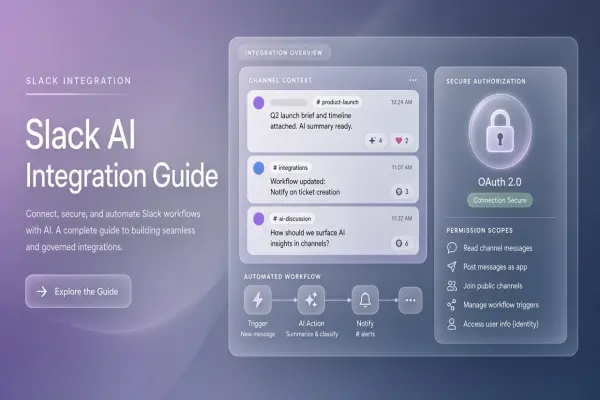
Enterprise multi-state compliance programs should tie state law matrix updates to release trains. Ship feature flags that toggle Colorado ADMT notices or Texas restricted-purpose classifiers without redeploying entire applications. Colorado hits reset narratives confuse vendors who only read 2024 summaries; confirm SB 26-189 obligations in every 2026 contract renewal. Texas AI regulation and New York AI law teams should share a Slack channel with product counsel to avoid siloed interpretations when marketing launches nationwide campaigns on the same day.