Brand briefs arrive as PDFs, Notion links, and rushed emails with conflicting deadlines. Creators who reply with vague enthusiasm lose deals to competitors who send structured concepts, clear deliverables, and realistic timelines in 48 hours. An ai workflow sponsor brief response pipeline parses requirements into a checklist, drafts concept angles aligned to brand goals, builds deliverables and usage rights tables, runs disclosure and fit assessment, and keeps negotiation notes in human hands. AI accelerates organization and first drafts; you own pricing, exclusivity decisions, and contractual boundaries.
This workflow fits YouTubers, podcasters, newsletter writers, and Instagram creators working with agencies or direct brand contacts. Pair brief intake with AI chatbot tools for Q and A on ambiguous brief language and AI productivity workflows when you sync checklist status to Notion, Airtable, or your CRM.
Parse Brief Requirements Into Checklist
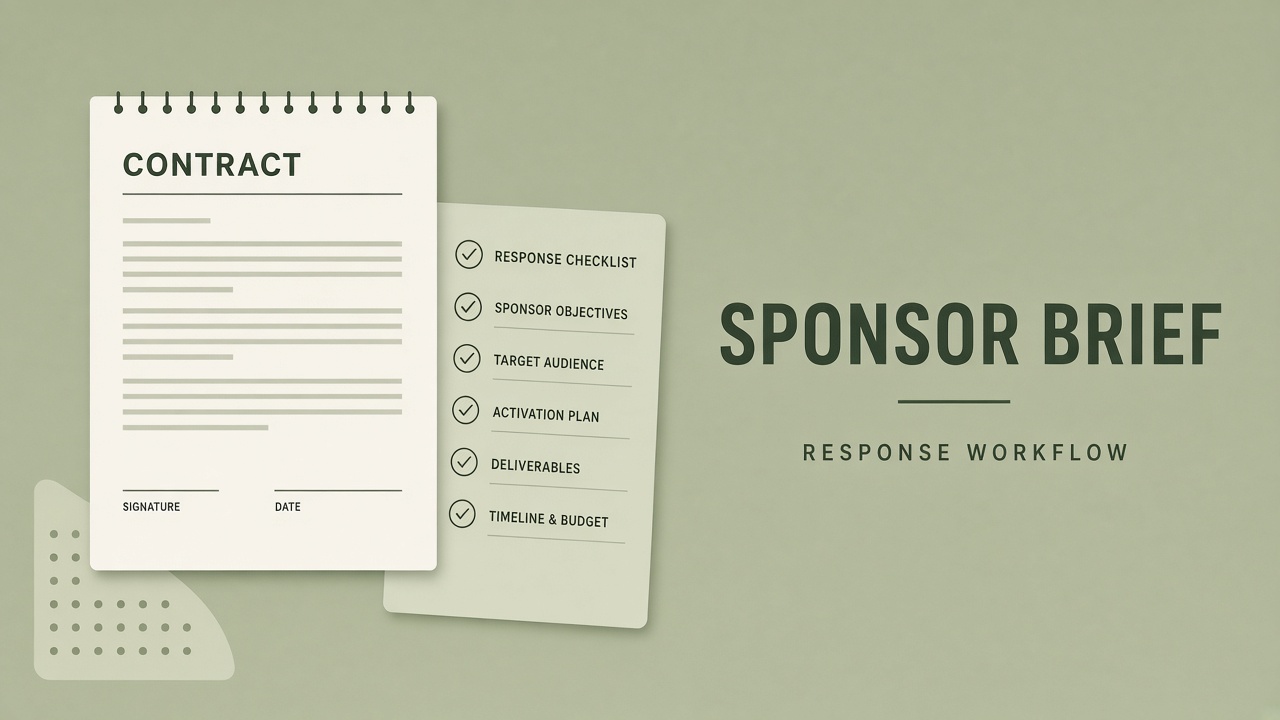
Every sponsor brief becomes a checklist with mandatory deliverables, deadlines, talking points, restrictions, approval steps, and payment terms before you draft creative concepts. A brand deal brief ai workflow starts by pasting the brief into a structured template; AI extracts fields; you verify against the original PDF because models miss attachments and footnotes.
- Copy full brief text including footers, legal blocks, and linked style guides.
- Extract: brand name, product, campaign goal, deliverable list, due dates, budget hint if stated.
- Flag missing items: usage rights duration, exclusivity category, revision rounds, payment net terms.
- Assign internal owner per deliverable (you, editor, thumbnail designer).
- Set response deadline 24 hours before brand's ask when possible to allow review.
| Checklist field | Why it matters | Ask brand if missing |
|---|---|---|
| Deliverables | Scope and pricing baseline | Format specs, length, cross-posts |
| Usage rights | Whitelisting and ad spend | Duration, platforms, paid amplification |
| Exclusivity | Conflicts with other sponsors | Category definition and window |
| Approval SLA | Timeline risk | Review rounds and feedback days |
| Payment terms | Cash flow | Net 30, 50 percent upfront, kill fee |
Draft Concept Angles Aligned to Brand Goals
Propose two to three concept angles that map each brand goal to your proven content formats, with a one-paragraph pitch and sample hook per angle, not a generic "I love your product" reply. Sponsor pitch response ai drafts accelerate brainstorming when you feed past campaign wins, audience demographics, and mandatory talking points from the checklist.
- Restate brand goal in your words to confirm understanding.
- Angle A: integration native to your flagship format (tutorial, review, story).
- Angle B: audience problem the product solves with your narrative voice.
- Angle C (optional): experimental format (Shorts series, newsletter deep dive) if brief allows.
- Include hook lines and rough outline bullets; avoid scripting full ads before contract sign.
Reject angles that require claims you cannot verify or audiences you do not serve. AI may suggest trendy formats outside your metrics; ground concepts in videos or posts with documented performance. Brands hire your distribution and trust, not a template they could run on any channel.
Deliverables, Timeline, and Usage Rights Table
Attach a table listing each deliverable, draft due date, publish date, revision allowance, and usage rights scope so brand and creator align before creative work begins. A creator campaign proposal ai can format the table from checklist fields; humans set dates that match your production calendar and rate card.
- Row per deliverable: type, length, platform, draft due, live date, owner.
- Revision column: included rounds and fee for extra rounds.
- Usage rights column: organic only vs whitelisting, duration, territories.
- Dependencies: product ship date, legal review, asset delivery from brand.
- Total fee line tied to deliverables, not buried in prose.
| Deliverable | Draft due | Usage rights | Fee allocation |
|---|---|---|---|
| 8 min YouTube integration | 10 business days pre-publish | Organic 12 months | Base package |
| 3 TikTok cutdowns | Same week as video | Organic only | Add-on line item |
| Whitelisting | N/A | Paid ads 90 days | Separate rate |
Disclosure and Fit Assessment
Before sending a proposal, run a fit and disclosure pass: audience match, product category conflicts, FTC or regional disclosure requirements, and whether you have used the product enough to speak honestly. AI does not replace legal advice or personal integrity checks.
- Audience fit: would this product help at least 30 percent of your core viewers without stretch?
- Category conflict: scan exclusivity against active and pipeline sponsors.
- Disclosure plan: verbal, on-screen, description placement per platform rules.
- Experience: request product access early; decline if you cannot test before publish.
- Red lines: list claims you will not make (medical, financial guarantees, competitor bashing).
Document fit decisions in your CRM even for declined briefs. Future you will forget why a category was off limits. Approved fits get a standard disclosure snippet stored in your legal-approved boilerplate file.
Negotiation Notes Humans Must Own
Rates, exclusivity breadth, kill fees, payment timing, and scope creep boundaries stay human-led; AI may draft polite counter-email prose but must not accept terms or invent flexibility you cannot honor. Negotiation is where margin and reputation are won or lost.
- Anchor pricing from your rate card, not the brand's first budget mention.
- Trade scope before discounting rate (fewer cutdowns vs lower fee).
- Charge separately for whitelisting, rush timelines, and extra revision rounds.
- Put agreed changes in writing before production starts; email thread is not a contract substitute.
- Walk away template ready for misaligned budgets or toxic approval processes.
Counter-Email Structure
Counter emails thank the brand, restate excitement for one specific angle, present the deliverables table with your dates and fees, and ask two to three clarifying questions on missing checklist fields. AI polishes tone; numbers and dates come from your spreadsheet, not model guesses.
Response Template and Turnaround SLA
Store a reusable response template with sections for checklist summary, concept angles, deliverables table, disclosure note, and signature block so every brief reply ships within your stated 48 hour SLA without rebuilding format from scratch. Speed signals professionalism; structure signals you run a real business, not a hobby channel waiting for lucky inbound.
- Template section 1: thank you and one-sentence fit statement.
- Template section 2: checklist gaps as numbered questions.
- Template section 3: two concept angles with hooks.
- Template section 4: deliverables table and total investment line.
- Template section 5: calendar availability and next step ask (call or written approval).
| Response stage | Target turnaround | AI role |
|---|---|---|
| Initial acknowledgment | Same business day | Short polite receipt email |
| Full proposal | 24 to 48 hours | Checklist parse and angle drafts |
| Counter offer | 24 hours after brand reply | Tone polish only |
| Contract follow-up | Per legal calendar | None on legal terms |
Agencies juggling multiple creators should tag briefs by vertical and past performance so AI concept drafts reference the right case studies. A beauty creator's skincare win does not belong in a fintech brief even if the AI groups both as "sponsored integration." Maintain a case study library with metrics you are allowed to share publicly.
CRM Tracking for Sponsor Pipeline
Log every brief in a CRM with status (new, proposed, negotiating, won, lost), checklist completion percent, and follow-up date so hot deals do not die in inbox limbo. AI can draft follow-up nudges ("checking if you had questions on the concept angles") but humans decide when persistence becomes annoyance. Lost deals with clear decline reasons improve future fit assessment.
Post-Approval Production Handoff
After verbal or written approval, convert the proposal table into a production brief with script deadlines, brand asset links, legal disclaimer text, and analytics reporting expectations so delivery matches what you sold. Scope creep often starts between approval and filming when brands add "small asks" not in the table.
- Re-send deliverables table with "approved as scoped" header and date.
- Request product, logos, and style guide within three business days.
- Block calendar for filming and editing backward from publish date.
- Share draft review link with brand SLA from contract.
- Deliver analytics screenshot template seven days post-publish if contracted.
Brand deal brief ai workflow documentation does not end at signature. Production handoff is where checklist fields become tasks assigned to editors, thumbnail designers, and accountants invoicing net terms. Tie invoice send date to contract trigger (on publish vs on approval) explicitly in the handoff email.
Frequently Asked Questions
How narrow should exclusivity clauses be?
Negotiate category-specific exclusivity windows (for example "project management SaaS" for 30 days post-publish) instead of blanket "no software sponsors for six months" language. AI can summarize exclusivity paragraphs; a human or lawyer compares against your sponsor pipeline before you sign.
What is whitelisting and when should I charge extra?
Whitelisting lets brands run paid ads from your handle or boosted posts using your creative; charge a separate fee with defined duration and platforms because ads extend commercial use beyond organic posts. Include whitelisting in the usage rights table, not as a verbal side agreement.
How many revision rounds should proposals include?
Two consolidated revision rounds on integrated scripts and one on graphics is a common baseline; charge hourly or flat fees beyond that and require feedback in one document, not drip DMs. State revision policy in the proposal table so brands expect boundaries upfront.
Should I use AI to decline briefs politely?
Yes for tone-polished decline emails when fit fails, but keep reasons honest and brief: wrong audience, schedule conflict, or category exclusivity, without burning bridges. Templates save time; personalize one sentence about why you respect the brand to keep doors open for better-fit campaigns later.
Faster Brief Responses, Human-Led Deals
A disciplined ai workflow sponsor brief response practice checklistifies every requirement, pitches aligned concept angles, tables deliverables and usage rights, runs disclosure and fit gates, and keeps negotiation in your hands. AI removes friction in parsing and drafting; your rates and integrity close deals. Apply the checklist to the next inbound brief before you write a single creative paragraph.