AI private equity due diligence accelerates virtual data room review, market mapping, and management presentation synthesis. Material non-public information, fund confidentiality obligations, and investment committee accountability mean AI outputs are starting points for expert analysts, not final investment theses.
This guide covers VDR ingestion and access logging, summarization vs extraction tasks, material non-public information handling, expert validation of AI summaries, and FAQ topics on portfolio monitoring. Evaluate AI code assistant and AI coding tools for technical diligence separately from document AI platforms bound by fund LP agreements.
VDR Ingestion and Access Logging
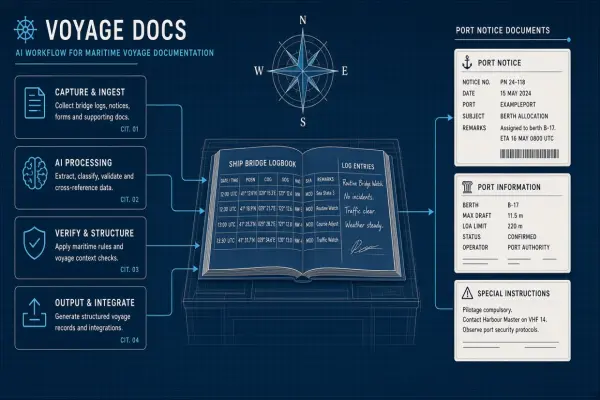
AI diligence platforms ingest PDFs, spreadsheets, and contracts from virtual data rooms when integrations preserve access controls and complete audit logs. Uploading entire data rooms to consumer chat tiers violates seller agreements and may breach securities law.
- Confirm VDR vendor allows AI subprocessors under the transaction NDA.
- Log which users prompted which documents and when outputs were exported.
- Restrict model training on deal data in enterprise contract terms.
- Segment workstreams so co-investors see only their entitled folders.
- Plan data purge timelines aligned with deal close or pass decisions.
| Diligence workstream | AI typical use | Analyst gate |
|---|---|---|
| Commercial | Customer concentration summaries | Verify against raw contracts |
| Financial | QoE flag extraction from schedules | Accountant sign-off on adjustments |
| Legal | Change-of-control clause surfacing | Counsel review of every flag |
| Technical | Architecture doc summarization | CTO or vendor technical interview |
Summarization vs Extraction Tasks
Summaries help associates orient quickly; structured extraction feeds models and IC memos when field-level accuracy is validated. Treating narrative summaries as sourced facts causes bad bids and avoidable rep and warranty claims post-close.
- Define extraction schemas for revenue recognition, churn, and capex items.
- Require page citations on every extracted figure in IC materials.
- Use summaries only for orientation, not for valuation model inputs.
- Compare AI extraction against seller-provided management accounts line by line.
- Document confidence scores and human overrides in diligence trackers.
Material Non-Public Information Handling
MNPI policies restrict who may access deal information, how AI outputs circulate, and whether models retain prompts across unrelated transactions. Wall-cross procedures apply to AI vendors the same as human advisors.
- Wall-cross AI tool admins before they access restricted deal environments.
- Prohibit forwarding AI chat exports to personal email or unsecured devices.
- Disable cross-deal memory features on shared enterprise AI accounts.
- Train deal teams on clean team rules when AI platforms host multiple live processes.
- Coordinate with compliance on public company target scenarios and Regulation FD.
Expert Validation of AI Summaries
Investment committee memos must trace every material claim to human-verified sources regardless of how fast AI produced the first draft. Sector experts catch nuance that generic models hallucinate in niche industrial or healthcare subsectors.
- Assign accountable analyst per memo section with sign-off checklist.
- Hold expert calls to challenge AI-identified risks before IC presentation.
- Reject outputs that lack document citations or contradict management answers.
- Version IC decks when AI drafts change after management Q&A sessions.
- Include AI tool limitations in external advisor engagement letters where relevant.
Data Room Handling Playbook
Funds should publish an internal playbook before associates upload first VDR folders to any AI platform. The playbook defines wall-cross steps, prohibited document types, output export rules, and purge timelines aligned with deal confidentiality letters.
- Compliance approves AI vendor and subprocessors against LP side letter restrictions.
- Deal captain assigns document tiers: public, confidential, highly restricted.
- Associates cite page numbers on every AI extraction entering financial models.
- IT disables personal account SSO for any tool touching live deal data.
- Data purge confirmed in writing within agreed days of deal close or pass.
Playbooks also specify when to escalate to external counsel, such as public target scenarios, foreign investment review filings, or documents marked attorney-client privileged that must never enter AI indexes.
Frequently Asked Questions
Can AI support post-acquisition portfolio monitoring?
Portfolio monitoring uses similar document AI with ongoing MNPI from portco reporting. Separate environments from active deal diligence and align data use with LP reporting confidentiality.
How does AI fit ESG diligence workflows?
AI can surface environmental permits, labor cases, and supply chain disclosures from VDRs, but ESG ratings require validated metrics and site visits where material. Do not substitute AI sentiment for audited ESG data in IC memos.
Should AI draft IOI or bid letters?
AI can outline standard sections from prior templates, but pricing, structure, and exclusivity terms need partner approval. Never send AI-generated commitments without legal review of binding language.
Can coding assistants review target software during tech diligence?
Code assistants help engineers navigate repos in secure environments when sellers permit code access. Outputs still require architect review for security debt, scalability, and IP cleanliness.