AI vinyl record grading uses computer vision on seller photos to estimate media and sleeve condition on the Goldmine scale, flagging ring wear, seam splits, writing, and surface marks before human inspectors confirm play-grade nuances models cannot hear. Tools such as crateIQ, record-scanner apps, and dealer platforms like Vinylasis analyze label scans for pressing identification while assigning conservative condition bands. Collectors remain skeptical of automated Near Mint labels when groove wear hides beneath gloss. Teams browsing AI chatbot assistants or popular AI tools for marketplace automation should treat AI grades as triage, not gospel, unless hybrid workflows disclose confidence scores and photo standards.
Goldmine Scale and Grading Language
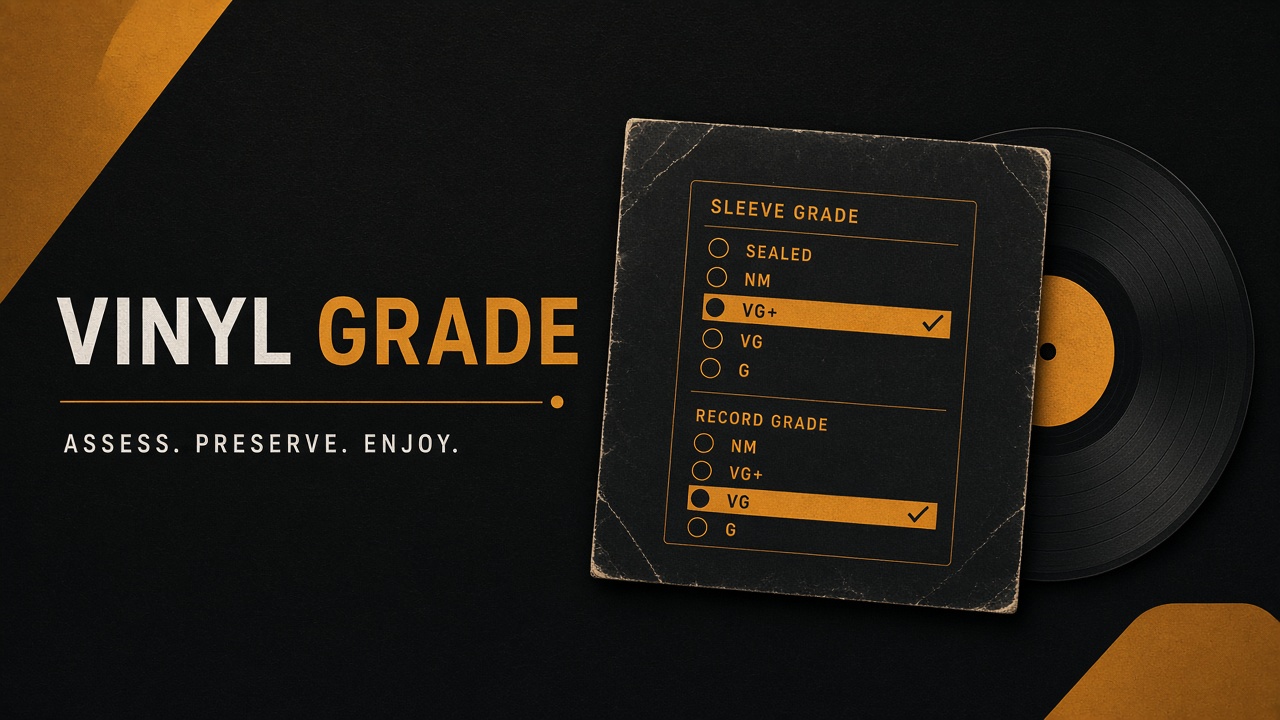
The Goldmine Grading Guide standardizes vinyl condition from Mint (M) through Poor (P) for both media and sleeves, with separate codes for promo labels, cut-outs, and generic sleeves. Near Mint (NM or M-) implies no visible defects and silent play on quality equipment, though many dealers cap at NM because perfection is rare. Very Good Plus (VG+) allows light marks audible on quiet passages. Very Good (VG) permits more groove wear and sleeve abrasions. Goldmine explicitly warns sellers to grade conservatively and surprise buyers upward rather than optimistic listing.
Most marketplace grading is visual because dealers lack time to play every copy in large inventories. Goldmine acknowledges visual limits: groove wear from cheap styli may not show until playback. AI inherits that blind spot unless augmented with audio sampling pipelines still rare in consumer apps.
| Grade | Media signals (visual) | Typical AI confidence |
|---|---|---|
| Near Mint | No scratches, clean labels | Moderate without raking light |
| VG+ | Light scuffs, faint spindle marks | Higher when marks visible |
| VG | Feelable scratches, label wear | High for obvious defects |
| Good (G) | Heavy marks, playable skip risk | High but play unverified |
Image Features and Ring Wear Detection
Models detect ring wear on glossy cover lamination, corner creases, seam splits, writing indentations, price sticker ghosts, and vinyl surface scratches using raking light when sellers follow capture templates. Effective pipelines request flat sleeve front and back, vinyl held tilted under directional LED, label macro, and runout groove photos for pressing ID. Convolutional detectors segment scuff density maps and compare against grade anchors trained on dealer-labeled datasets. Shrink wrap hype stickers and obi strips need region masks so Japanese pressings are not misread as sleeve damage.
crateIQ adjusts valuations by Goldmine band after vision identifies pressings from label photos. record-scanner apps return Discogs median prices conditional on inferred grade ranges. Vinylasis documents GPT-4 vision analysis with severity notes for dealer inventory. All stress photography quality more than model architecture.
Dispute Reduction and Marketplace Policy
Marketplaces adopt AI pre-grading to align listing text with photo evidence, reducing "not as described" claims on eBay, Discogs, and boutique vinyl shops. When models output VG+ with 0.82 confidence, policies can require sellers to accept capped grades or add supplemental angles. Neutral third-party grading photos archived at listing time support PayPal and card chargeback defenses. Some shops re-grade on intake before consignment payout, sharing delta reports with consignors.
Dispute rates drop when buyers see defect heatmaps overlaying sleeve scans rather than single adjective labels. Transparency beats optimistic NM shorthand that fueled distrust in early online vinyl markets.
Collector Skepticism and Community Norms
Collectors distrust automated Near Mint tags because experience taught them that photos lie, early pressings sound worse than they look, and shrink hype inflates subjective premium. Forum norms reward conservative human graders with reputation threads. AI vendors counter skepticism by publishing error bars, inviting community correction datasets, and never slapping NM without raking-light sets. Hybrid shops brand "AI-assisted, human-verified" labels explicitly.
Audiophile buyers weight play grade over visual for pre-1972 pressings Goldmine notes often play better than they appear, while 1980s vinyl may play worse. Static vision models miss that era effect unless trained with label-year priors and optional audio classifiers still experimental in open source.
Hybrid Grading Workflows
Hybrid grading combines AI photo scoring, optional short tonearm sampling clips, and human override with audit trails for high-value jazz, punk, and electronic originals. Workflow example: seller uploads template pack; model proposes VG+ media / VG sleeve; human spot-checks ten percent sample or all items above dollar threshold; listing publishes grade band plus defect bullets; buyer receives linked heatmap PDF. Returns drop when expectations match visuals.
- Standardize photo booth or mobile guide with raking light.
- Run pressing ID and condition models in parallel.
- Apply conservative bias when confidence falls below threshold.
- Human review queue sorted by value and model uncertainty.
- Archive photos at sale for dispute evidence.
Discogs, eBay, and Pricing Integration
Condition-aware pricing engines pull Discogs median sales stratified by grade, then adjust AI-estimated bands so sellers list within market reality instead of fantasy Near Mint asks. record-scanner and crateIQ both emphasize pressing-specific medians because the same title on different labels spans orders of magnitude in value. AI grading without pressing ID misprices reissues as originals. Parallel pipelines identify matrix runouts from label macros before condition models run, reducing catastrophic mislistings on rare pressings.
eBay's structured condition fields still rely on seller honesty; third-party AI plugins offer pre-list scans that populate suggested grades and defect bullet text. Buyers filter on seller reputation plus photo evidence rather than adjective alone. Over time marketplaces may require template photos for high-value genres like original punk singles or first-press jazz, similar to sneaker authentication photo standards.
Japanese Pressings, Shrink, and Hype Stickers
Japanese pressings with obi strips, insert hype stickers, and factory shrink carry premium pricing where AI must segment accessory condition separately from vinyl and outer sleeve grades. Obi corner creases downgrade obi grade without necessarily lowering vinyl media scores. Hype stickers applied at retail differ from factory shrink; vision models trained only on Western jackets mislabel obi wear as seam split damage. Metadata fields for country, pressing plant, and included inserts should precede grade output in any serious dealer workflow.
Audio Grade Research and Future Pipelines
Researchers experiment with wav2vec2 and surface-noise classifiers to predict playback quality from short needle drops, bridging the visual-play gap Goldmine warns about. Consumer apps remain photo-first for cost reasons. Hybrid high-value intake may add thirty-second audio snippets captured on calibrated turntables at warehouse stations. Until then, conservative visual grades plus explicit "unplayed audio unknown" disclaimers protect seller credibility with skeptical collectors who remember the pre-Discogs era of exaggerated adjectives.
Warehouse Photo Booth Standards
Dealers running warehouse photo booths should enforce neutral backgrounds, fixed camera distance, polarized raking lights, and minimum megapixel counts so AI models compare apples to apples across shifts. Mobile seller uploads remain noisier; marketplaces can score photo quality before running grade models and reject listings with flash blowout on glossy covers. Training staff on Goldmine language reduces human-AI disagreement when both assess the same sleeve ring wear.
Consignment shops publishing AI defect heatmaps on product pages report fewer partial refunds because buyers pre-accept visible scuffs mapped in overlay regions. Transparency beats algorithmic optimism in collector forums where reputation is currency.
Frequently Asked Questions
Can AI grade Japanese pressings with obi strips?
Yes if models train on obi-aware datasets; otherwise obi corner wear and insert thickness confuse sleeve defect detectors. Require full wrap photos and tag press country metadata before grading.
Does shrink wrap affect grades?
Factory shrink can justify premium pricing but AI must distinguish intact shrink from re-sealed fraud using seam and puckering cues. Human review remains essential for hype-sticker authenticity disputes.
Why do collectors hate automated NM labels?
Decades of optimistic eBay grades trained buyers to downgrade adjectives one notch; automated NM feels like scaled wishful thinking unless backed by defect maps. Publish VG+ default with NM only above high confidence and multi-angle proof.
Can AI hear groove wear?
Research prototypes use audio embeddings for surface noise classification, but consumer listing tools remain photo-first; play-grade still needs turntable sampling for high-stakes sales. Disclose "visual grade only" in listings until audio models mature.
What tools support dealer workflows?
crateIQ, record-scanner apps, and Vinylasis-style inventory systems combine vision grading with Discogs pricing; explore adjacent automation via popular AI tools directories for integration ideas.
Should buyers trust AI NM labels on Discogs?
Trust increases when listings link defect overlays and multiple angles; distrust remains rational for high-value originals where play grade dominates visual gloss. Ask sellers for raking-light video when AI assigns top bands on pre-1980 pressings.
What is a hybrid AI plus inspector model?
Shops such as Unusual Finds combine AI pre-scans with human inspectors who override uncertain grades before payout, publishing both machine confidence and human final band on high-ticket listings. That transparency model wins forum trust faster than black-box NM tags from anonymous sellers.
How do hype sticker grades work?
Hype stickers and promotional inserts receive separate condition codes so a mint sticker on a VG sleeve does not inflate overall jacket adjectives. Vision models detect sticker edge lift and yellowing distinct from lamination ring wear on the cardboard beneath.
Why does Goldmine still matter with AI?
Goldmine vocabulary is the lingua franca of Discogs, eBay, and collector disputes; AI outputs should map to Goldmine bands with explicit media versus sleeve codes rather than inventing proprietary adjectives buyers cannot compare. Standard language keeps automated grades legible across marketplaces and refund arbitrations.
Do Japanese pressings need extra metadata?
Yes: country, obi presence, insert checklist, and shrink type should be form fields before grading models run, or sleeve scores conflate accessory wear with jacket defects. Collectors pay premiums for complete obi sets even when vinyl media grades identically to a domestic pressing.
AI vinyl record grading on the Goldmine standard reduces ambiguous adjectives when photography is honest and humans override uncertain calls. Collectors accept machine help that shows its work, not labels that pretend a phone flash equals a listening booth.