AI perfume formulation uses machine learning on historical formulas, odor molecule databases, and brief keywords to propose accords that match creative directions such as rain on hot concrete or salted fig at dusk, while human perfumers still evaluate wear, stability, and regulatory limits on skin. Symrise Philyra trained on 3.5 million legacy formulas. Givaudan Carto maps ingredients through an Odour Value Map and prints robotic samples in minutes. Academic work with Gated Graph Neural Networks links SMILES structures from The Good Scents Company to fragrance note vocabularies. Indie perfumers and contract labs now access similar workflows through PLM platforms. Teams exploring AI chatbot assistants for creative briefs or browsing popular AI tools should understand where models accelerate discovery and where the nose remains non-negotiable.
Perfume as Art and Science
Perfume formulation balances subjective olfactive artistry with quantitative chemistry: vapor pressure, substantivity, diffusion, skin compatibility, and shelf stability all constrain what smells good on paper. A brief arrives as words, mood boards, and target price. The perfumer translates abstraction into top, heart, and base pyramids built from naturals, synthetics, and captives. AI enters when combinatorial search explodes: thousands of materials interact non-linearly on fabric, paper blotter, and skin chemistry.
Major houses treat AI as augmentation, not replacement. Givaudan states perfumers remain at the center while Carto removes repetitive weighing tasks. Symrise reports all fine fragrance perfumers using Philyra 2.0 for sustainability-weighted suggestions. The creative decision still happens after maceration, aging, and panel feedback.
Odor Molecule Databases and Training Data
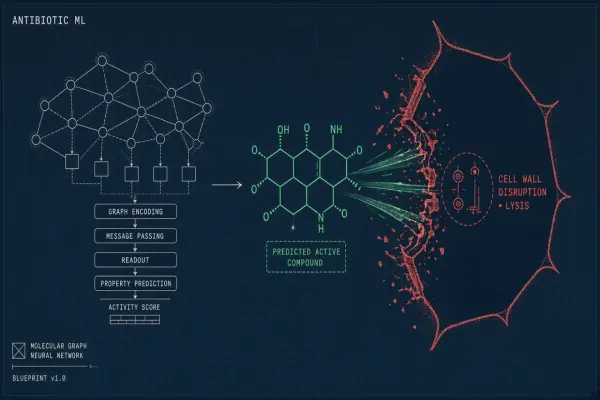
AI formulation models rely on structured repositories linking chemical structure to odor descriptors, sales performance, safety classifications, and supplier chromatography reports. Public and commercial sources include The Good Scents Company, Parfumo community data, in-house GC/MS libraries, and decades of formula archives guarded as trade secrets. Research papers train Gated Graph Neural Networks on SMILES strings paired with note labels like woody, floral, or musk, then generate candidate molecules optimized toward target profiles.
| Platform | Data advantage | Output |
|---|---|---|
| Symrise Philyra | 3.5M formulas, 2000+ raw materials in 20 dimensions | Novel accords, sustainability-weighted variants |
| Givaudan Carto | Odour Value Map, robotic instant sampling | Interactive touchscreen formula builds |
| Academic GGNN pipelines | Good Scents note-labeled molecules | De novo structure proposals for R&D |
| Indie PLM tools | Imported supplier COA and IFRA checks | Compliant small-batch formulas |
Boticario's Egeo on Me and Egeo on You, launched with Symrise, marked early commercial fragrances marketed as AI co-created. Philyra later earned a patent in fragrance computational creativity, signaling legal recognition that algorithmic suggestion pipelines are protectable industrial processes.
Brief-to-Formula Workflows
A typical AI-assisted workflow ingests a client brief, maps keywords to olfactive families, retrieves historical winners with similar demographics, proposes starting formulas, and iterates after robotic or manual trials. Carto lets perfumers drag materials on a touchscreen while a robot dispenses physical samples at optimized concentrations. Philyra ranks combinations by fit to brief, sustainability scores, and perfumer feedback loops. Moodify and similar reformulation tools target compliance and cost reworks, claiming multi-fold speed gains when IFRA limits shift.
- Parse brief into notes, emotions, price tier, and regulatory category (fine fragrance vs candle).
- Retrieve nearest neighbor formulas from archive embeddings.
- Generate three to five starting accords with constrained ingredient palettes.
- Print or weigh samples, macerate, evaluate on blotter and skin.
- Log panel scores back into model to refine future suggestions.
Briefs like "petrichor after summer rain" decompose into geosmin-like earth notes, citrus ozone accents, and subtle mineral musks. Models propose ratios; perfumers adjust for regional taste and alcohol carrier strength. Without feedback loops, AI repeats statistically safe but emotionally flat combinations.
Human Nose Evaluation and Panel Testing
No production fragrance ships on model output alone: trained noses evaluate evolution over hours, skin chemistry interaction, hedonics, and cultural association before sign-off. Electronic noses exist for quality control on repeated batches, but they do not replace descriptive panel language or perfumer memory. AI can flag when a formula drifts from a reference chromatogram; humans decide whether drift improves the story.
Indie perfumers without robotic labs still benefit from AI compliance dashboards that calculate allergen totals while they weigh drops by hand. The creative bottleneck moves from arithmetic to judgment: which unexpected accord deserves a full wear test versus immediate rejection.
IFRA Regulatory Limits and AI Checks
IFRA standards restrict ingredient concentrations by product category; AI PLM platforms decompose naturals into constituent chemicals and flag violations in real time as formulas change. The 51st Amendment updated prohibited and restricted lists with category-specific maximums. Labify Nez, INNORMA, FragranceLab, and Moodify integrate IFRA, EU allergen, REACH, and regional rules so perfumers reformulate before committing liters of compound. kAI-style suggesters propose substitute musks or citrus oils when a limit binds.
AI accelerates compliance but does not eliminate liability. Suppliers issue Certificates of Conformity; labs run GC/MS verification. Models trained on last month's amendment can miss a hotfix unless vendor databases update centrally. Indie brands exporting worldwide should run human regulatory review on any AI-generated formula before scaling production.
| Check type | AI role | Human role |
|---|---|---|
| IFRA category limits | Instant concentration math | Confirm category selection |
| EU allergen labeling | Aggregate 26 allergen totals | Validate supplier COA splits |
| Stability testing | Predict incompatible pairs | Run accelerated aging studies |
| Hedonic fit | Suggest accords from brief | Panel wear tests on skin |
Indie Perfumer Tooling and Cost
Independent perfumers and contract labs access AI through SaaS compliance platforms rather than house-scale Philyra deployments, paying monthly fees for IFRA math, allergen PDFs, and Gemini-assisted accord brainstorming. FragranceLab and similar products advertise IFRA 50th and 51st amendment support with EU allergen breakdowns and batch scaling. Costs stay far below robotic sampling lines, which keeps AI formulation chemistry relevant to Etsy-scale houses and white-label manufacturers serving hotel amenity programs.
Indie workflows often start in spreadsheets, import into PLM for regulatory checks, then export batch sheets for compounding. Chat-style assistants help translate client poetry into material lists, but perfumers still weigh alcohol, fixatives, and maceration windows manually. The competitive edge is speed to compliant prototype, not removing human evaluation from the funnel.
Safety, Toxicology, and Supplier Trust
AI suggests combinations; toxicology and dermatology limits still come from IFRA, RIFM assessments, and supplier safety data sheets that models may not ingest completely on day one. A novel accord within IFRA numeric limits can still irritate sensitive skin or destabilize in heat. Stability testing across glass, HDPE, and spray actuator materials remains physical lab work. Dupes inspired by bestselling scents risk allergen spikes when cheap substitutes replace restricted molecules without full decomposition math.
Document every AI-suggested swap with supplier lot numbers and retest panels when materials change vendors. Regulators ask for traceability, not model confidence scores. Moodify-style reformulation platforms market simultaneous compliance and cost optimization, but perfumers should treat cost-optimized outputs as drafts until wear tests confirm the story still matches the brief.
Firmenich, IFF, and the Competitive Landscape
Beyond Symrise and Givaudan, Firmenich Scentmate, IFF Codex, and other house platforms compete on data moats, robotic throughput, and sustainability scoring tied to client RFPs. None publish full formula archives publicly; indie perfumers interact through PLM SaaS layers instead. Research teams publishing GGNN odor papers on arXiv complement but do not replace captive supplier data. When evaluating tools, ask whether IFRA databases update within days of amendment releases and whether naturals decompose to constituent allergens automatically.
Frequently Asked Questions
Can indie perfumers use AI formulation?
Yes: subscription PLM and compliance tools let small houses import formulas, check IFRA limits, and receive accord suggestions without Symrise-scale archives. Creative differentiation still requires original briefs and manual trials. AI lowers arithmetic burden; taste remains the brand.
Will AI replace master perfumers?
Major houses publicly position AI as removing repetitive lab work while perfumers retain creative authority, consistent with how CAD did not replace architects. Client relationships, cultural intuition, and final sign-off stay human. Models propose; noses dispose.
Are AI-suggested dupes legally safe?
Reverse-engineering competitor scents with AI raises trade dress, confidentiality, and labeling risks independent of chemistry feasibility. Consult counsel before marketing "smells like" clones. Focus AI on original briefs or licensed references.
How accurate are molecule generators?
Academic generators predict note likelihood from structure but require synthesis, safety tox screens, and odor panel validation before commercial use. Most consumer fragrances still blend existing approved materials rather than novel AI-invented molecules.
What safety documentation still matters?
SDS sheets, IFRA certificates, allergen declarations, and stability reports remain mandatory regardless of whether AI assisted composition. Platforms like INNORMA generate PDF certificates after human-confirmed formula lock. Never ship on screen checks alone.
How do niche briefs like petrichor work in AI systems?
Models map poetic briefs to odor descriptor embeddings trained on formula archives, then propose accords using materials tagged with earthy, ozonic, or mineral notes. Perfumers validate whether the suggestion smells like the client's memory or merely checks semantic boxes in the database. Iteration loops refine weights after blotter tests.
What is The Good Scents Company role in research?
Academic molecule generators use Good Scents note-labeled SMILES datasets as training corpora linking structure to descriptor vocabulary before optimization toward target profiles. Commercial houses rely on proprietary archives with sales metadata absent from public databases.
AI perfume formulation chemistry compresses search across enormous material spaces and keeps reformulation pace with shifting IFRA rules. The art survives in what teams choose to macerate, wear, and release. Explore adjacent creative AI chatbot workflows for brief writing, but let the blotter and the skin have the final word.