What is Twinit?
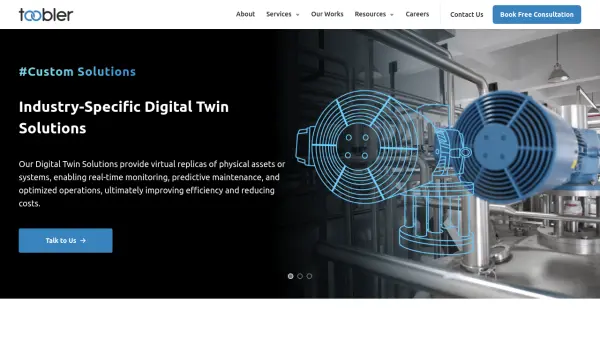
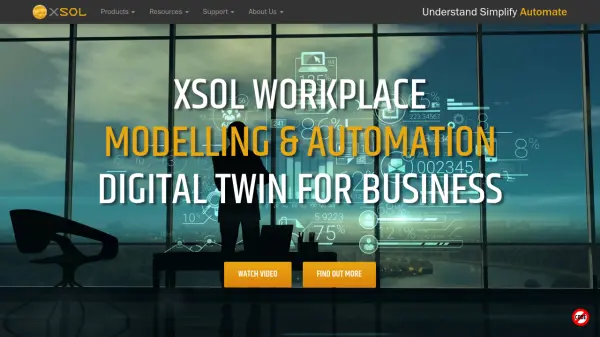
Twinit offers a comprehensive platform designed to accelerate digital transformation by enabling the creation and deployment of digital twin solutions. Users can twin a wide array of entities, including equipment, systems, assets, processes, people, or places, leveraging technologies like ontologies, knowledge graphs, and real-time data integrations. This capability allows organizations to build, test, deploy, and scale transformative solutions tailored to their specific use cases, effectively bridging the gap between the physical and digital worlds.
The platform features an open and composable architecture, empowering multiple development teams to build applications using standardized patterns. This approach significantly reduces development time and costs while minimizing risks associated with vendor lock-in and technology obsolescence. Twinit's cloud-native design ensures scalability and performance, supporting numerous projects and users simultaneously. It provides a unified security framework, enhancing protection compared to managing multiple disparate applications, and ultimately helps businesses drive revenue, improve efficiency, and foster innovation.
Features
- Digital Twinning: Twin equipment, systems, assets, processes, people, or places.
- Ontology & Knowledge Graph Support: Utilize ontologies and knowledge graphs for modeling.
- Real-time Data Integration: Integrate real-time data streams.
- Composable Architecture: Build applications from reusable modules.
- Open Development Environment: Allows multiple teams to build simultaneously using standardized patterns.
- Scalable Cloud-Native Platform: Performance scales as needed for projects and users.
- Unified Security Framework: Centralized authentication and authorization.
Use Cases
- Accelerating enterprise digital transformation.
- Developing innovative business models.
- Automating processes bridging physical and digital domains.
- Creating new user journeys integrating physical and digital elements.
- Building and deploying digital twin applications rapidly.
- Enhancing operational efficiency through digital replicas.
- Improving asset management and monitoring.