
What is Shifting Tic Tac Toe?
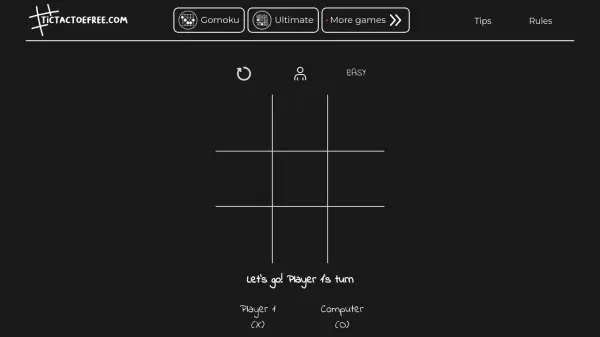
Shifting Tic Tac Toe is an innovative twist on the traditional Tic Tac Toe game, designed to eliminate draws and enhance strategic depth. Players start by aiming to get three in a row as in the classic version, but after the 6th move, the oldest move disappears from the board, creating a shifting playing field. This dynamic element requires continuous adaptation and forward-thinking, making each game unpredictable and engaging.
The game blends nostalgia with innovation, appealing to players of all ages and skill levels by combining familiar rules with fresh challenges. It encourages strategic planning and real-time decision-making, ensuring that no two games are alike and providing endless entertainment through its unique mechanics.
Features
- Dynamic Board: The board shifts after the 6th move, with the oldest move disappearing to create a constantly changing playing field
- No Draws: Eliminates traditional draws by introducing shifting mechanics that ensure a winner in every game
- Real-Time Gameplay: Players engage in live matches that require quick adaptation and strategic planning
- Accessible Design: Suitable for players of all ages and skill levels, combining classic rules with innovative twists
Use Cases
- Casual gaming for entertainment and mental stimulation
- Educational tool to teach strategic thinking and adaptability
- Social activity for friends and family to play together
- Brain training exercise to improve problem-solving skills