What is Autostrat?
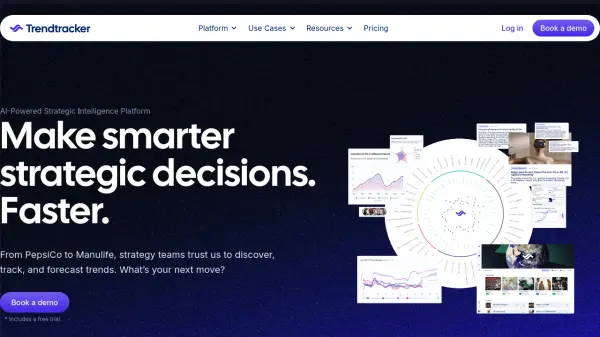
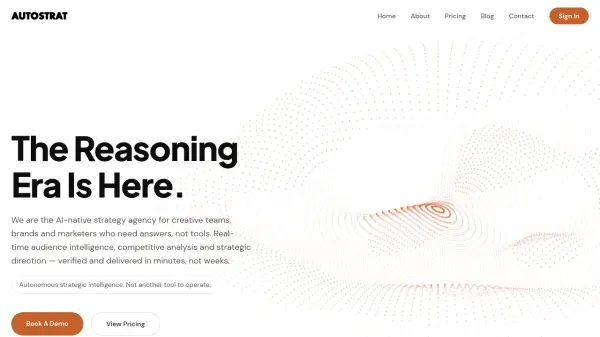
Autostrat provides an AI-native approach to strategic intelligence by using autonomous reasoning agents instead of traditional generative AI tools. It gathers real-time data from platforms like Instagram, Reddit, YouTube, TikTok, and Google News, then cross-verifies findings to deliver reliable insights without hallucinations.
The platform connects fragmented data sources into a cohesive strategic picture, enabling users to ask strategic questions in plain language and receive reasoned answers. It eliminates the need for prompt engineering and manual fact-checking, offering verified intelligence that supports messaging, competitive analysis, and trend spotting with confidence.
Features
- Real-time Data Gathering: Pulls fresh data from Instagram, Reddit, YouTube, TikTok, and Google News for each query
- Multi-Agent Verification: Uses specialized agents to cross-verify claims and resolve contradictions before delivering conclusions
- Connected Intelligence: Synthesizes data across multiple platforms into a complete strategic picture without manual stitching
- No Prompt Engineering Required: Accepts strategic questions in plain language without complex setup or prompting
- Verified Strategic Clarity: Delivers reasoned intelligence with patterns, opportunities, and direction ready for immediate action
Use Cases
- Developing messaging strategies grounded in verified market signals
- Conducting competitive analysis with real-time positioning and perception insights
- Identifying emerging trends and cultural shifts across social platforms
- Augmenting agency strategy teams with faster intelligence gathering
- Supporting brand and marketing decisions with data-driven strategic direction
FAQs
-
What is a source pull?
A source pull is one data retrieval from a single platform like Instagram, Reddit, YouTube, TikTok or Google News. Each source pull gathers fresh, real-time data specific to the question you're asking. -
What's the difference between Trial and On Demand plans?
Both give you 4 source pulls, 1 workspace and 5 uploaded docs. The difference is time: Trial gives you 7 days of access, On Demand gives you 14. On Demand is also stackable, so you can purchase more as needed. -
Is there a contract or commitment?
No contracts. Trial and On Demand are one-time purchases. Monthly renews each billing cycle and can be cancelled anytime. -
Do all plans get the same intelligence quality?
Yes. Every plan delivers the same reasoning-grade strategic intelligence. There are no feature gates or tiers of quality. The only difference is volume and access duration. -
What happens when my access expires?
Your workspaces and docs remain available in read-only mode. You can pick up where you left off anytime by purchasing another plan.